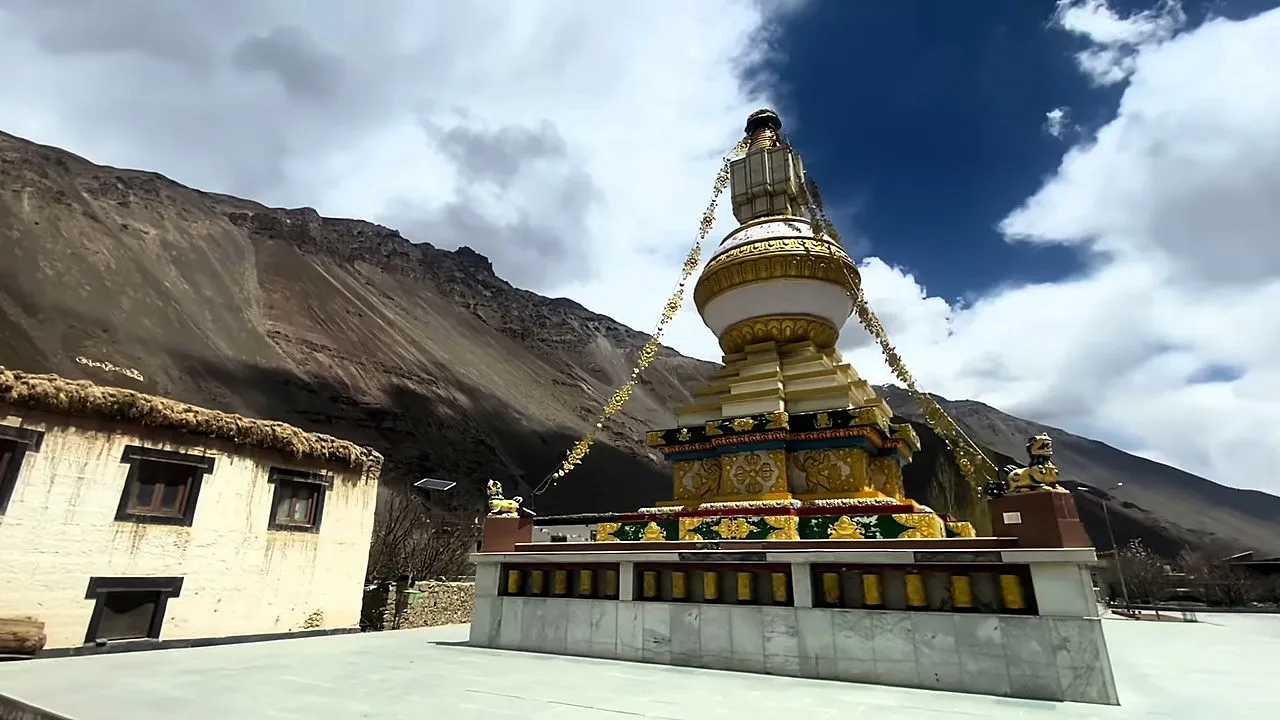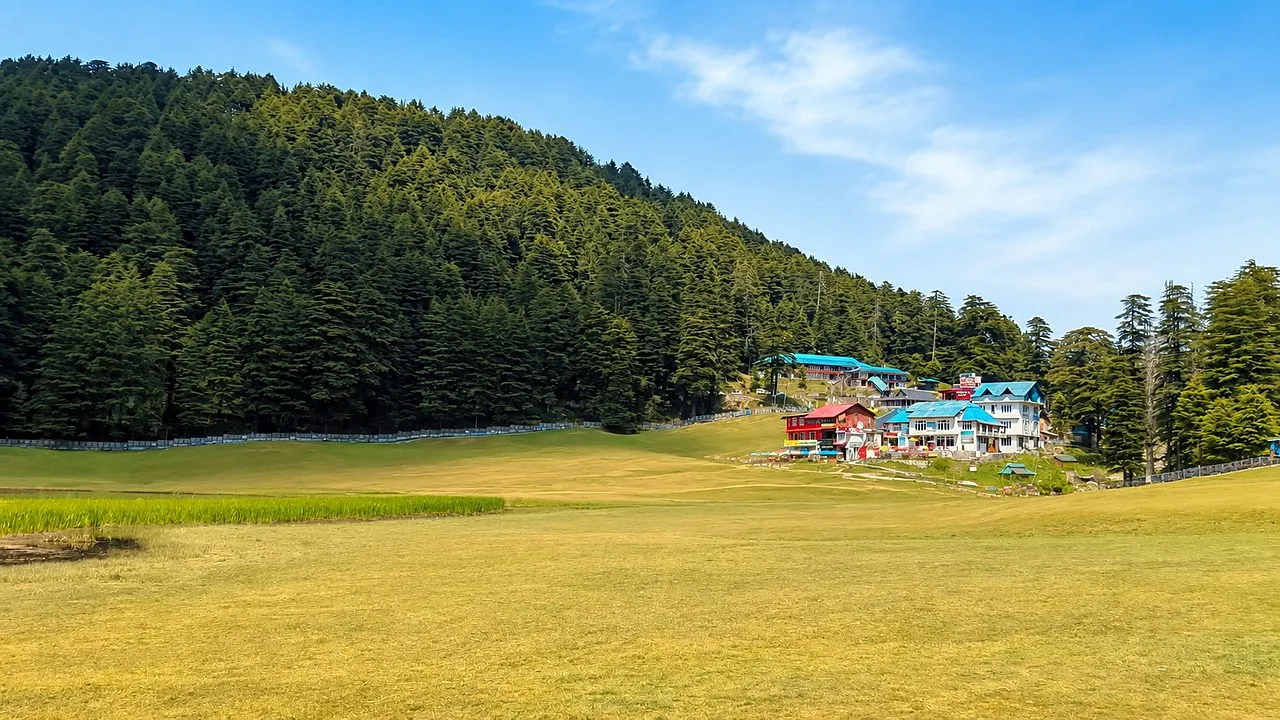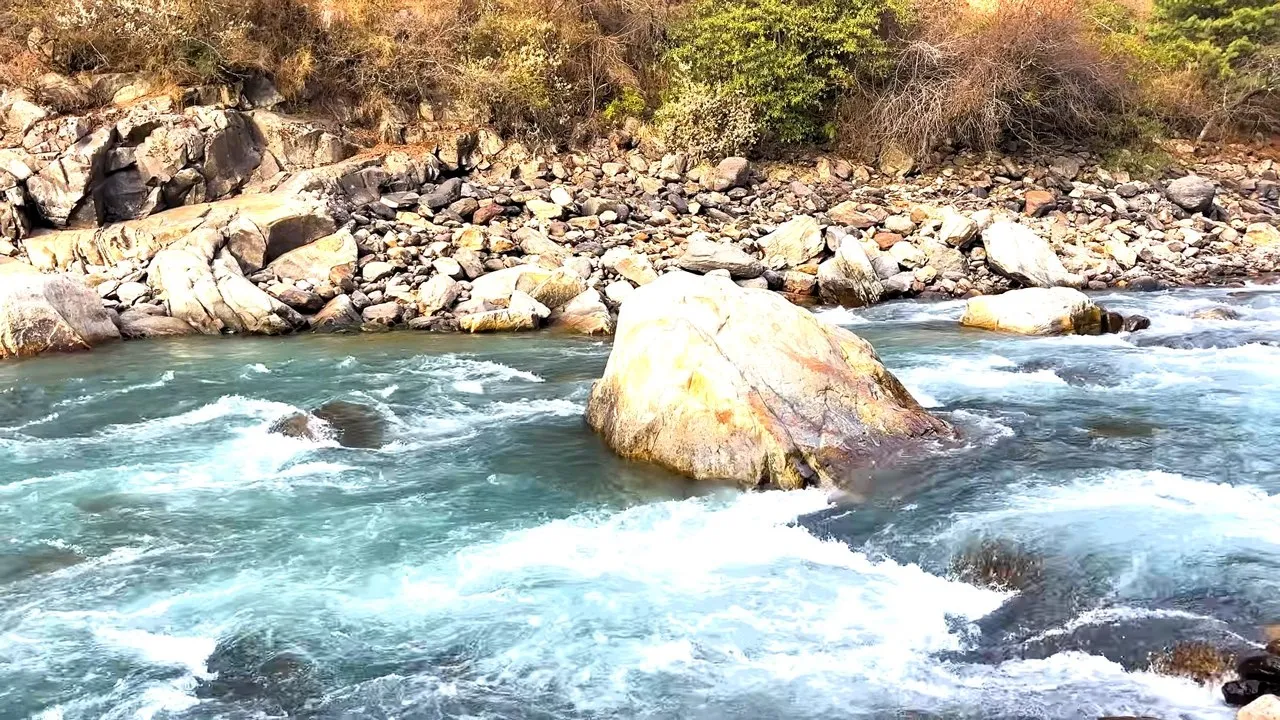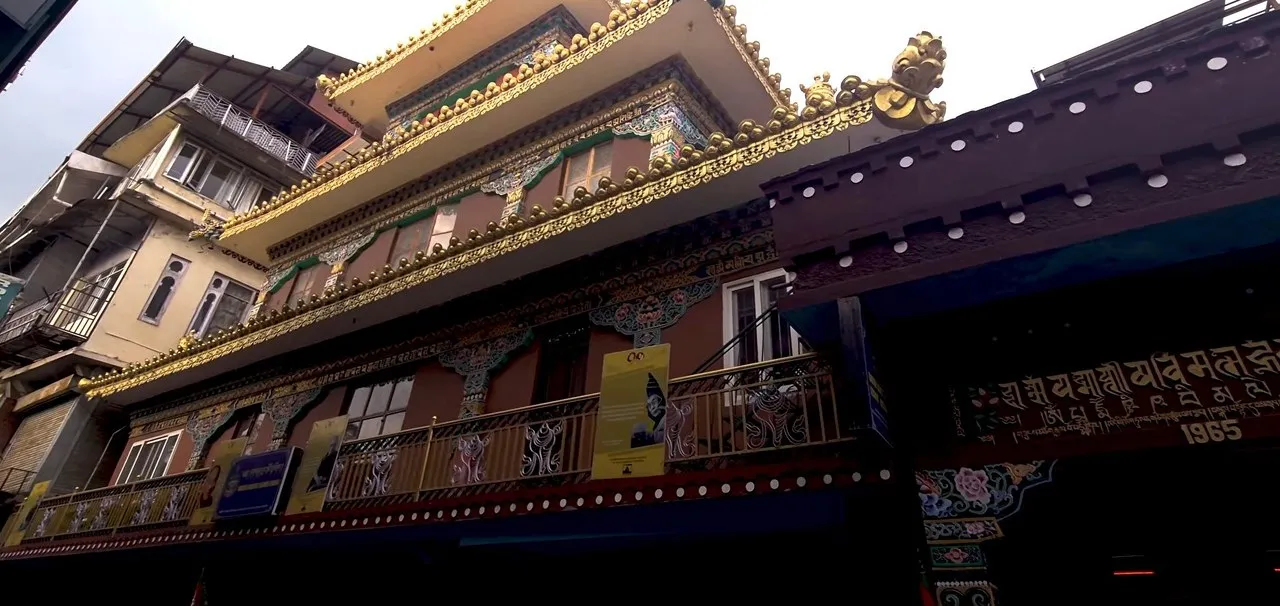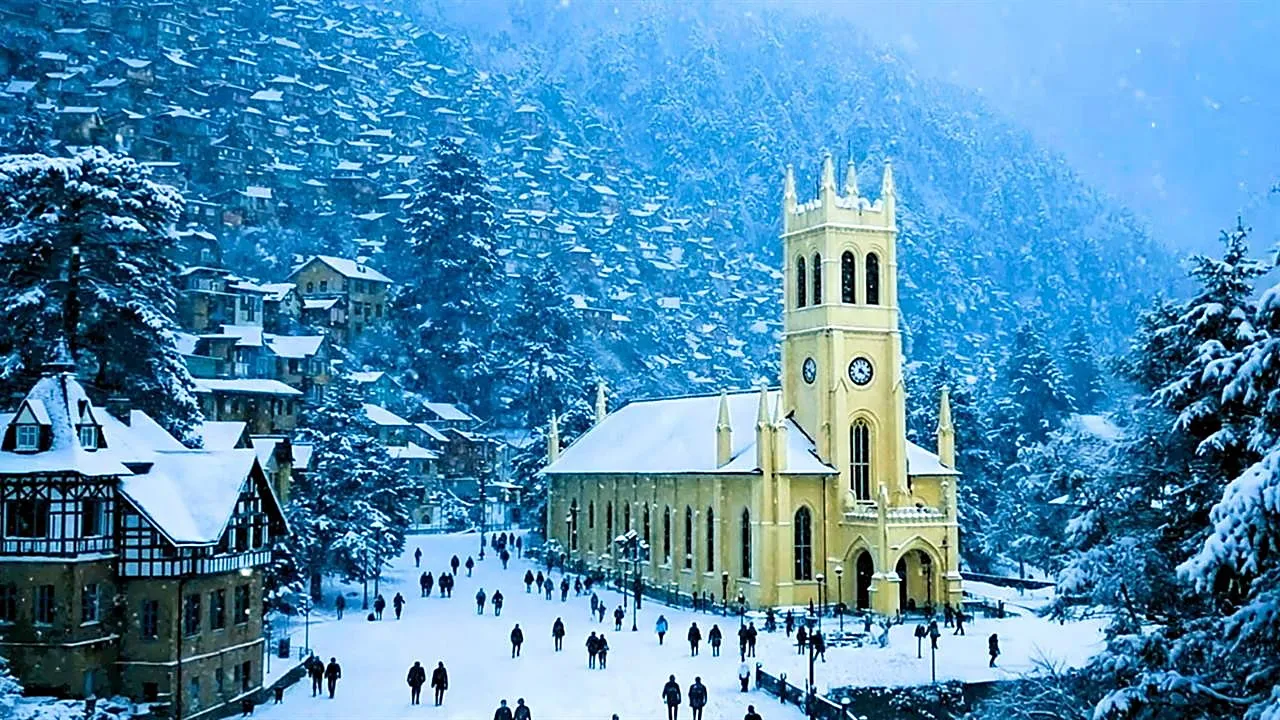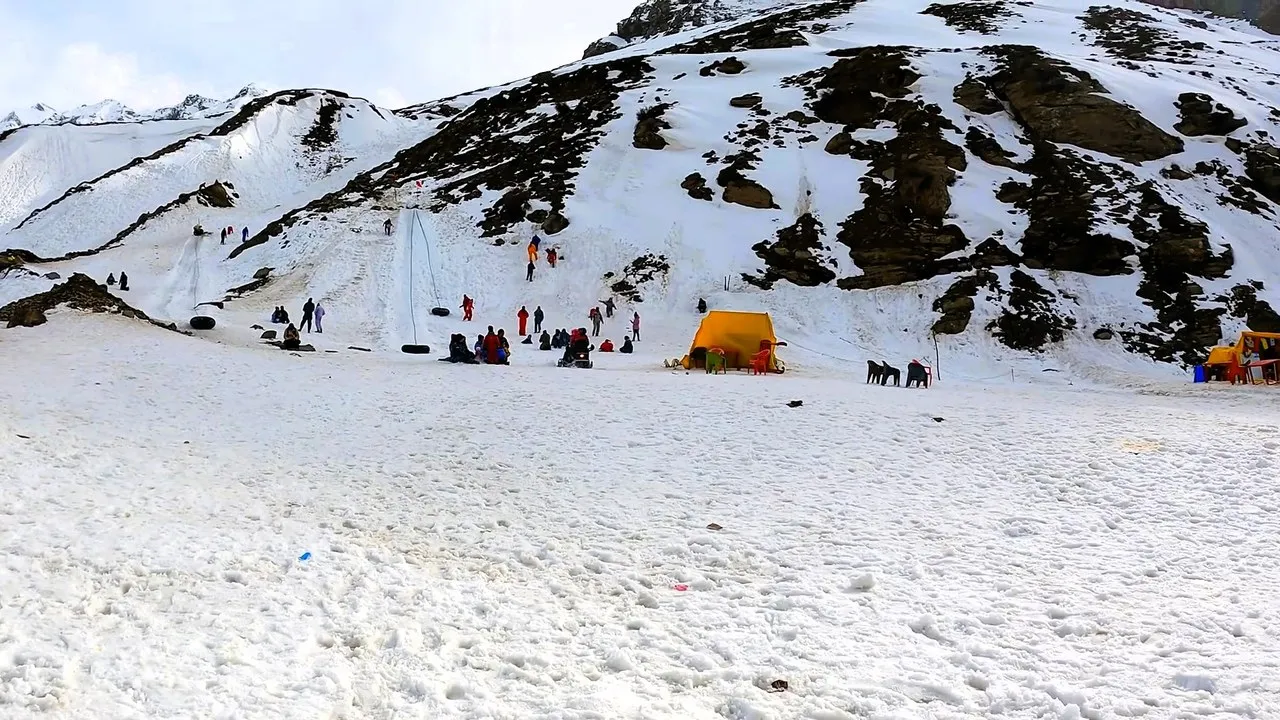
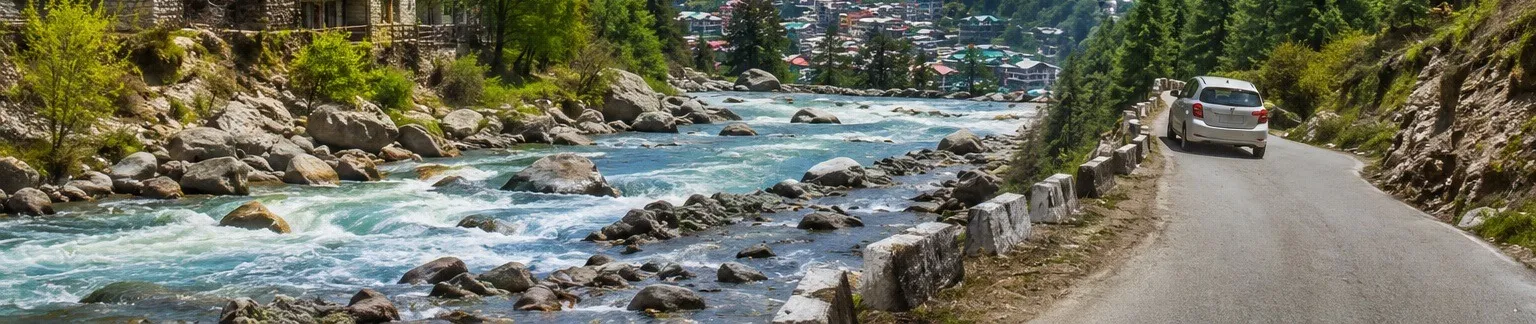

Himachal Pradesh packs both British-era hill stations (Shimla, Dalhousie) and Tibetan Buddhist valleys (Dharamshala, Spiti) into one state — few Indian destinations shift character this much within a single road trip. Visit March–June for clear-weather sightseeing or October–February for snowfall; Spiti is best visited June–October. Most trips run 5–10 days, entering via Chandigarh Airport (best connectivity) or the smaller Bhuntar and Gaggal airports closer to Manali and Dharamshala — this Himachal Pradesh travel guide breaks down each of these below.
Quick Answer: Himachal Pradesh at a Glance
If you only read one section of this Himachal Pradesh travel guide, read this one.
- Best time to visit: March to June for pleasant weather, October to February for snow and clear mountain views. Avoid July–August in landslide-prone areas.
- How many days you need: 5 days for one region (Shimla or Manali), 10-12 days to cover two regions well, 15+ days for a full circuit including Spiti.
- Nearest airports: Shimla (Jubbarhatti), Kullu-Manali (Bhuntar), Dharamshala (Gaggal) — all connect mainly to Delhi.
- Budget range: ₹1,800-2,500/day (budget), ₹3,500-6,000/day (mid-range), ₹8,000+ (luxury), per person, excluding transport to the state.
- Permits needed: None for Indian citizens in Kinnaur or Spiti. Foreign nationals need a Protected Area Permit beyond Jangi (Kinnaur) and near the Tibet border in Spiti.
- First-timer's pick: Shimla for families and easy access, Manali for adventure and honeymoons, Dharamshala-McLeod Ganj for culture and Tibetan Buddhism, Spiti for landscapes and solitude (summer only).
Introduction to Himachal Pradesh
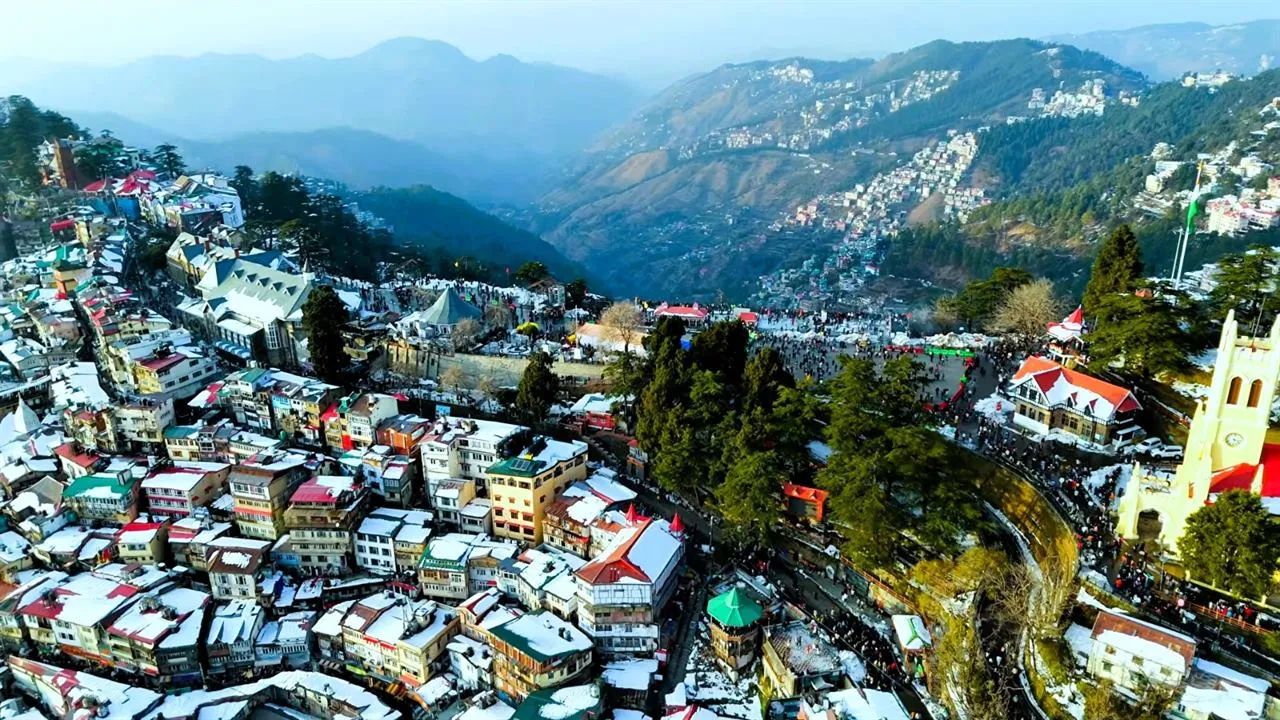
Shimla still runs on a British-built clock; a two-day drive away, Spiti hasn't changed its rhythm in centuries. Himachal holds both without feeling like two different places.
The real planning decision isn't "when should I go" — it's "which Himachal do I actually want?"
This Himachal Pradesh travel guide walks through all of it: where to go and why, when the roads and weather cooperate, how to physically get there, what to eat, and roughly what it'll cost.
Regions & Districts of Himachal Pradesh
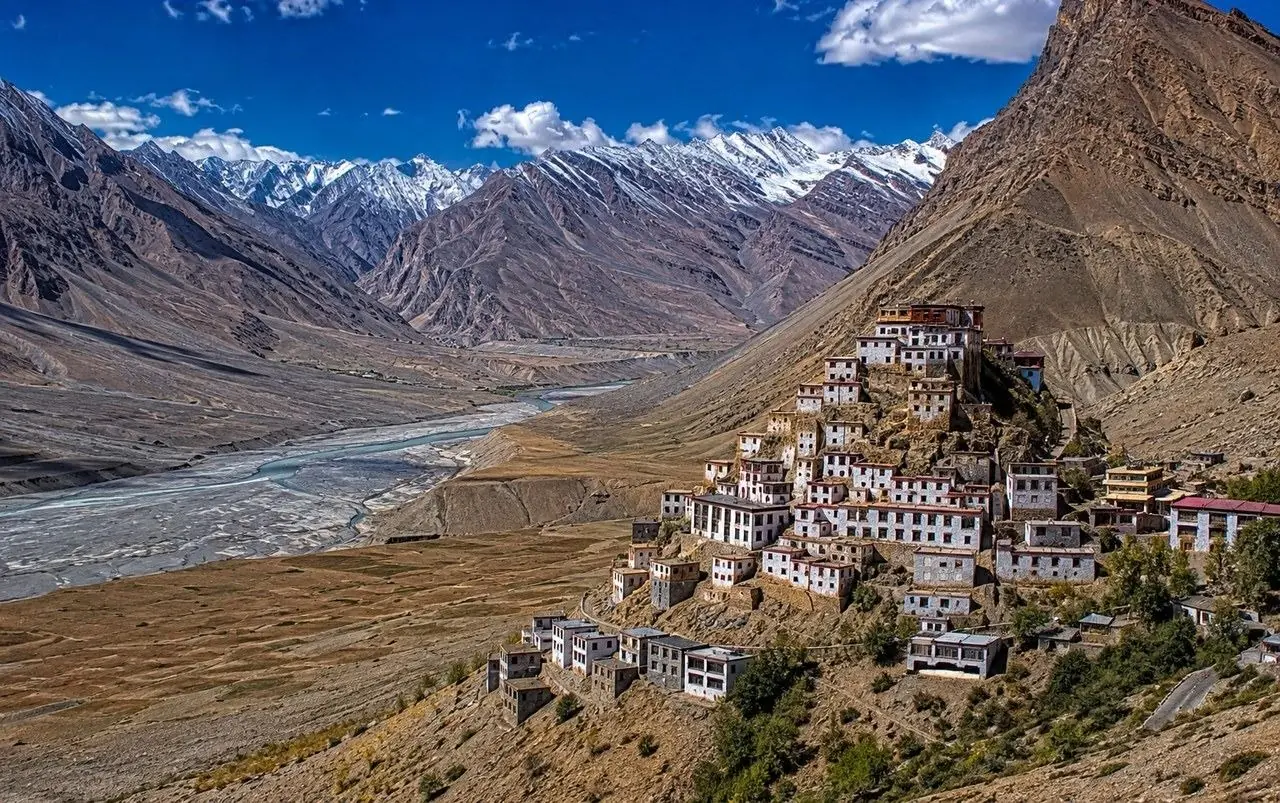
Twelve districts make up the state, each with a genuinely different feel. This isn't administrative trivia — it's a shortcut for deciding where to spend your time.
| Region/District | Character | Key Destinations |
|---|---|---|
| Shimla District | Colonial hill stations, family-friendly | Shimla, Kufri, Narkanda |
| Solan District | Quiet colonial towns, easy weekend trips | Solan, Kasauli, Chail |
| Kullu District | Adventure and nature hub | Manali, Kasol, Tirthan Valley |
| Kangra District | Spiritual and cultural | Dharamshala, McLeod Ganj, Palampur, Bir Billing |
| Chamba District | Untouched, medieval charm | Dalhousie, Khajjiar, Chamba town |
| Kinnaur District | Apple orchards, Indo-Tibetan culture | Kalpa, Sangla, Chitkul |
| Lahaul-Spiti District | Cold desert, Buddhist heritage | Kaza, Tabo, Key Monastery, Chandratal |
| Mandi & Bilaspur | Religious and lakeside | Naina Devi Temple, Govind Sagar Lake |
Best Places to Visit in Himachal Pradesh
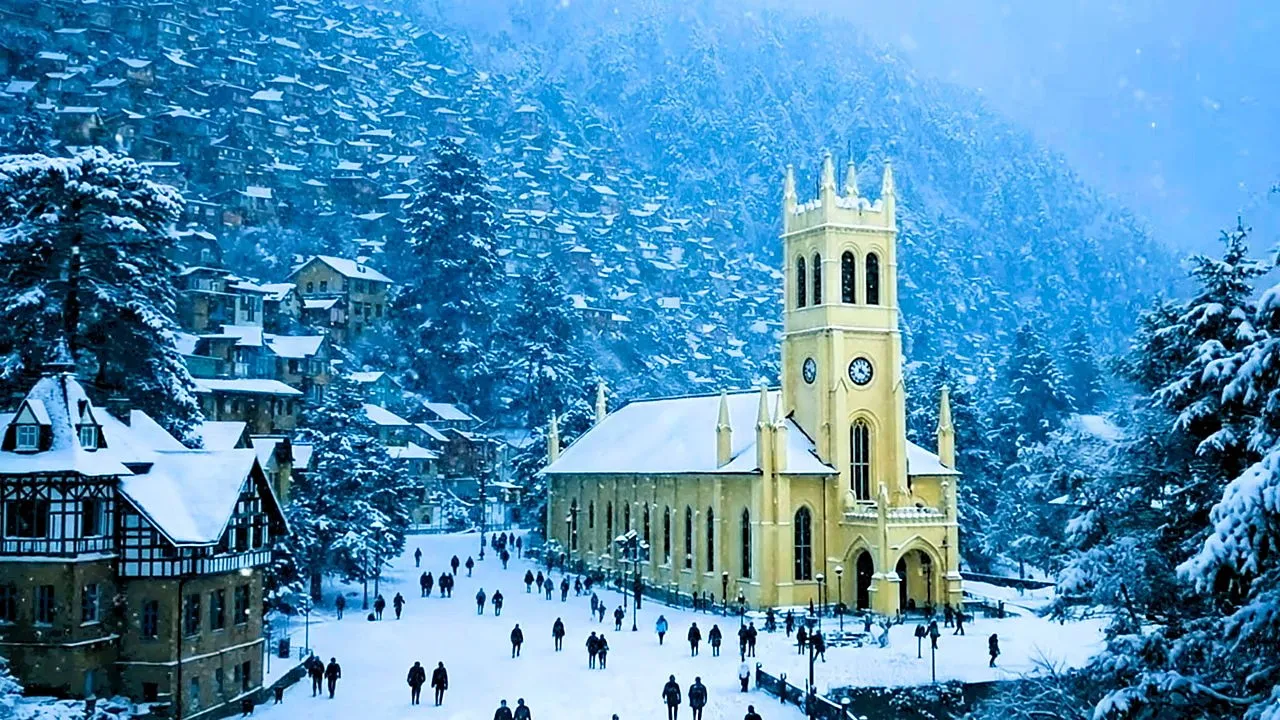
Popular Destinations
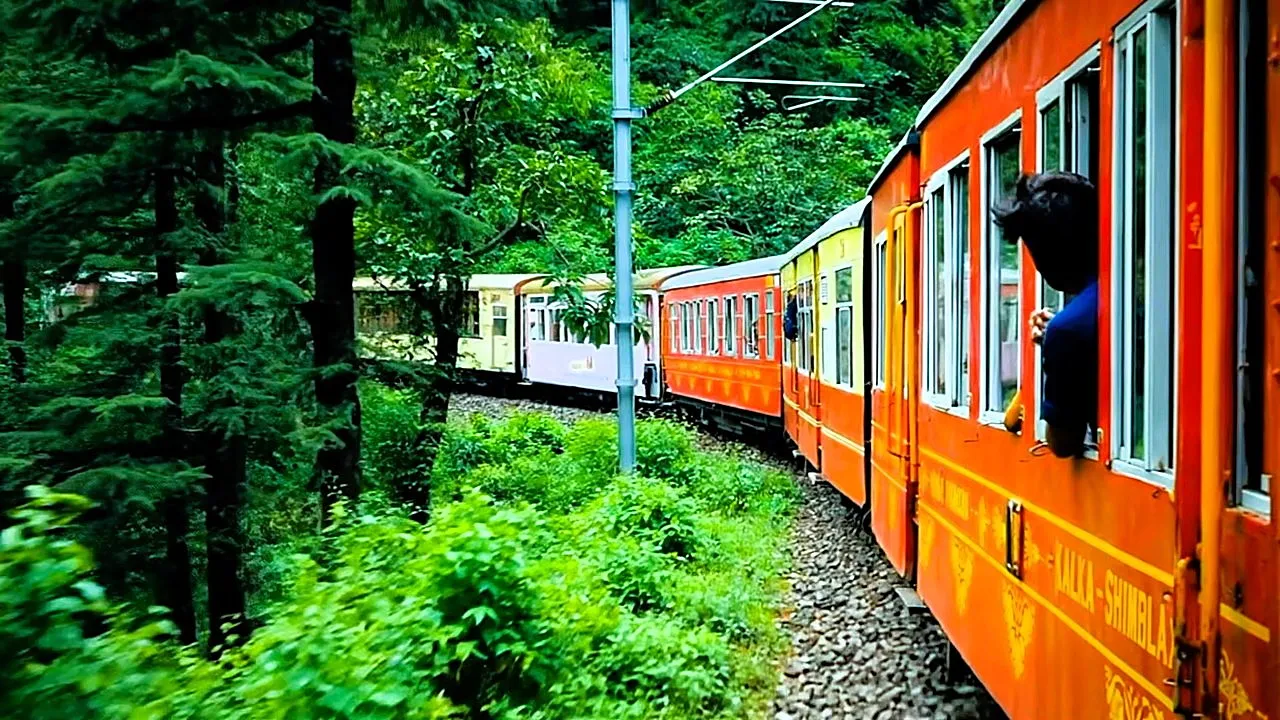
- Shimla – The capital, and still the most "hill station" hill station in India — Mall Road, The Ridge, Jakhu Temple, and the slow, wheezing Kalka-Shimla Toy Train that's now a UNESCO World Heritage line
- Manali – Where most first-timers head; Solang Valley for the adventure crowd, the Atal Tunnel for the road-trippers, and Old Manali's café strip for everyone else
- Dharamshala & McLeod Ganj – World-famous mountain towns that became a home for Tibetan refugees from 1960. Here, peaceful Buddhist monasteries sit right alongside popular backpacker cafes and trekking routes like Triund.
- Dalhousie & Khajjiar – Nicknamed "Mini Switzerland," which is a stretch, but the pine-covered meadows and colonial churches do earn some of the comparison
- Kasol & Tirthan Valley – Two scenic stops along mountain rivers ideal for a relaxing trip. Kasol offers lively cafes and social spots, while Tirthan Valley gives you quiet wooden stays and pure nature.
- Kinnaur & Chitkul – Apple country, ending at Chitkul, the last village before the old trade route into Tibet
- Spiti Valley – A cold desert that barely looks like the rest of Himachal — monasteries at Tabo and Key, and Chandratal Lake sitting at over 4,300 metres
- Kufri & Narkanda –Located just 16 to 60 km from Shimla, these are the fastest places to find winter snow. A great choice for trips with kids or older family members who prefer short road trips.
- Bir Billing – India's best-known paragliding site, and one of the few places in India where you can fly for 20+ minutes on a single ride
- Chamba – Quiet, temple-heavy, and largely skipped by the standard Shimla-Manali crowd
- Kasauli – A small colonial town close enough to Chandigarh for a weekend without committing to a full Himachal trip
Offbeat Places to Visit
- Jibhi and Barot Valley
- Sangla Valley
- Cheog, a quiet alternative near Shimla
- Malana
- Rakcham
Best Time to Visit Himachal Pradesh
| Season | Months | Temperature | Best For |
|---|---|---|---|
| Summer | March – June | 10°C – 30°C | Sightseeing, trekking, family trips |
| Monsoon | July – September | 15°C – 25°C | Lush greenery, fewer crowds, budget travel |
| Winter | October – February | -5°C – 15°C | Snowfall, skiing, honeymoon trips |
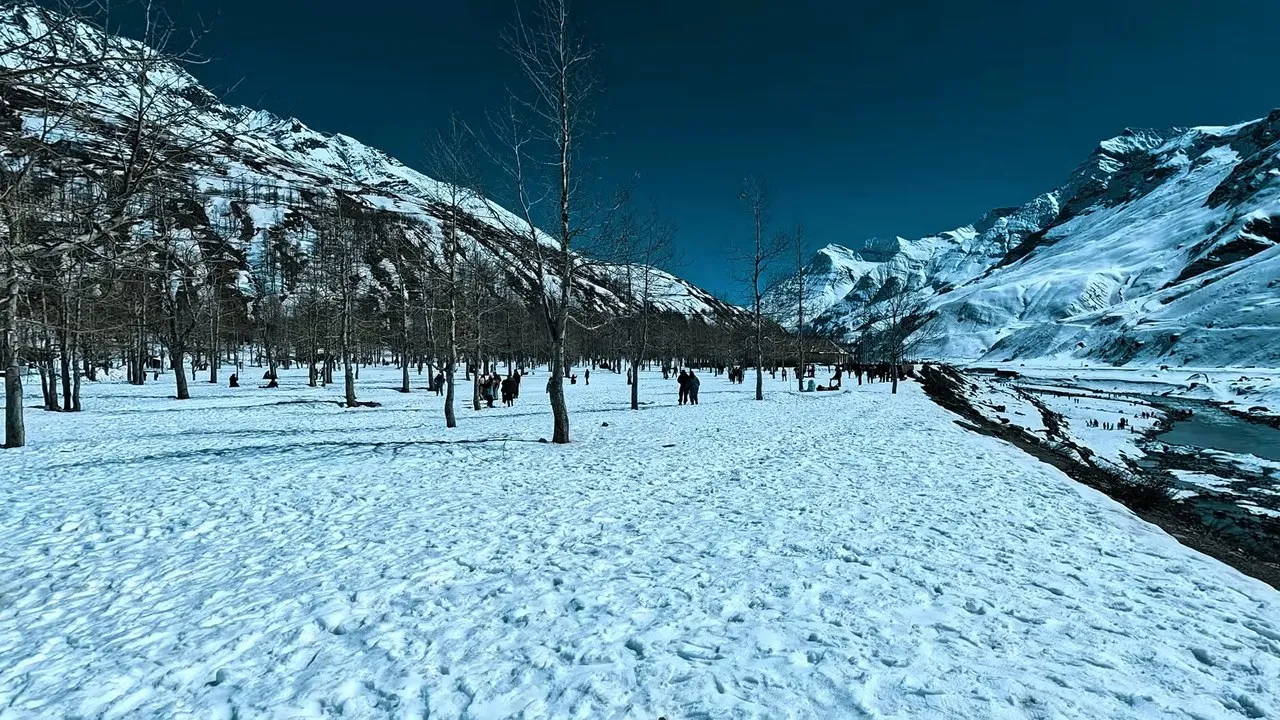
- Snowfall: Starts by late November, peaks through December–January in Shimla, Manali, Kufri, and Narkanda — that's the window to book around if snow is the whole point of the trip
- Spiti runs on its own calendar: The Manali-Kaza road stays snowed shut most of the winter, so June through October is really the only realistic window — outside that, you're either not getting in or taking a much longer route through Kinnaur
- Monsoon is underrated: Hills turn genuinely green, hotel rates drop, and crowds thin out — the tradeoff is landslide risk on some routes, so it rewards travellers who build slack into their schedule rather than a tight day-by-day plan
- Monsoon is also genuinely risky: July–September sees frequent landslides on the Shimla–Manali, Kinnaur, and Manali–Leh stretches. Flash floods have shut roads for days at a time in past seasons. If your dates fall in this window, avoid remote circuits like Spiti and Kinnaur, keep buffer days, and check live road status before every leg
- Altitude beats the calendar: Spiti, Kinnaur, and anything near Rohtang Pass run colder than the table above suggests, even in June
- Phone signal drops fast: Shimla and Manali have reliable 4G, but it thins out quickly once you're past Manali or into Kinnaur
How to Reach Himachal Pradesh
By Air
- Bhuntar Airport – closest to Kullu and Manali
- Gaggal Airport – closest to Dharamshala and Kangra
- Shimla Airport (Jubbarhatti) – technically an option, but flights are infrequent and often the first to get cancelled in bad weather
- Chandigarh Airport – the real workhorse; best connectivity, and most road trips into Himachal start here rather than from Delhi
By Rail
- Kalka-Shimla Toy Train – gorgeous, unhurried, and genuinely worth doing once — just don't rely on it if you're short on time
- Nearest broad-gauge railheads for onward road travel: Chandigarh, Pathankot, and Kalka
By Road
- Chandigarh has the most convenient road connectivity to nearly everywhere in Himachal (see the distance chart below for actual drive times)
- Volvo buses, private taxis, and self-drive are all viable — the right choice mostly depends on how many stops you're making
- Hiring a local driver is worth the money on the hairpin-heavy stretches; mountain driving is a different skill than highway driving, and locals know which sections turn bad in rain
Distance Chart: Key Himachal Pradesh Routes
| Route | Approx. Distance | Approx. Travel Time |
|---|---|---|
| Delhi → Shimla | 343 km | 8–9 hrs |
| Delhi → Manali | 540 km | 12–14 hrs |
| Delhi → Dharamshala | 475 km | 9–12 hrs |
| Delhi → Dalhousie | 560 km | 12–14 hrs |
| Chandigarh → Shimla | 115 km | 3.5–4.5 hrs |
| Chandigarh → Manali | 300 km | 8–10 hrs |
| Chandigarh → Dharamshala | 240 km | 5–6 hrs |
| Chandigarh → Dalhousie | 300–313 km | 6–7 hrs |
| Shimla → Manali | 250 km | 7–9 hrs |
| Shimla → Dharamshala | 240–246 km | 6–8 hrs |
| Manali → Kullu | 40 km | 1–1.5 hrs |
| Manali → Kaza (Spiti) | 200 km | 8–10 hrs (seasonal, open Jun–Oct) |
| Dharamshala → Dalhousie | 120–151 km | 3–4 hrs |
These numbers move around more than a plains-route distance chart would suggest. A landslide, snowfall, or heavy peak-season traffic can add hours — treat them as a planning baseline, not a promise.
Local Transport Within Himachal Pradesh
Getting into the state is the easy part. Moving between towns once you're there runs on a different logic than plains travel:
- HRTC buses – Cheapest option by far, and the network is more extensive than most visitors expect; regular and Volvo services connect all the major towns
- Private taxis – The default for most travellers doing a multi-stop trip; drivers often know unmarked shortcuts and viewpoints that don't show up on Google Maps
- Self-drive – Rewarding on the scenic stretches, but the narrow single-lane sections and blind hairpins aren't for someone who's only ever driven on highways
- Shared cabs (sumos) – The budget middle ground on short, popular routes like Manali–Kasol or Bhuntar–Manali
- A rule of thumb for planning: hill roads rarely allow more than 30–40 km/h average speed, so a "short" 60 km stretch on the map can still eat up two hours
Adventure Activities in Himachal Pradesh
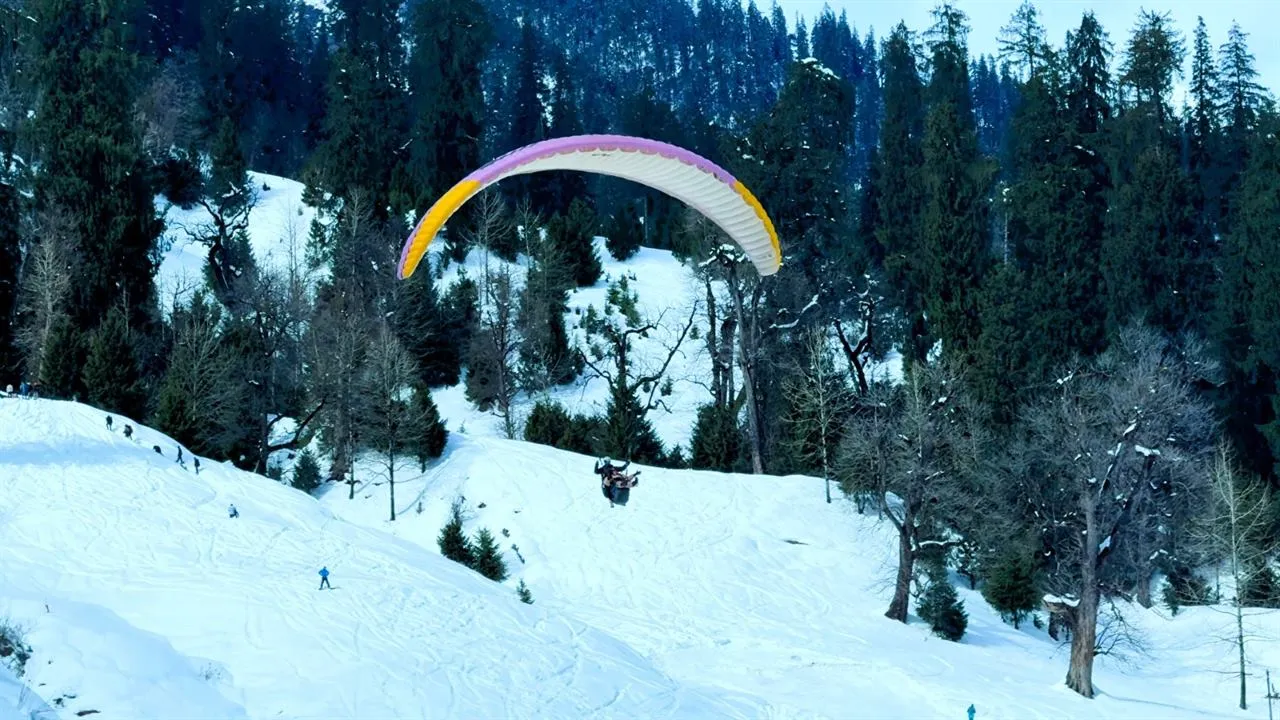
This is one of the few Indian states where adventure sports is a mature scene, not a couple of guys with a rope. Bir Billing regularly hosts international paragliding events, and Manali outfits run heli-skiing that rivals smaller Alps operations. If you want several of these in one trip, our Himachal adventure tour package combines paragliding, river rafting and a riverside camp night in Kasol.
| Activity | Best Locations | Best Time |
|---|---|---|
| Paragliding | Bir Billing, Solang Valley | March–June & Sept–Nov |
| River Rafting | Beas River (Kullu-Manali), Sutlej River (Tattapani) | April–June & Sept–Oct |
| Trekking | Triund, Hampta Pass, Pin Parvati, Beas Kund, Kheerganga | March–August |
| Skiing & Snowboarding | Solang Valley, Kufri, Narkanda, Mahasu Ridge | December–February |
| Heli-Skiing | Manali & Solang Valley (advanced skiers) | January–March |
| Camping | Kasol, Tirthan Valley, Kinnaur, Spiti, Sangla | Year-round (best Mar–Jun & Sep–Nov) |
| Mountain Biking / Motorbiking | Manali–Leh Highway, Spiti circuit | June–September |
| Zorbing & Ziplining | Manali, Dalhousie | March–June |
| Angling/Trout Fishing | Tirthan Valley, Sangla, Barot | March–June & Sept–Nov |
One caution worth repeating: book through certified operators only, and check the gear before you go up. The paragliding and rafting scenes have grown fast enough that not every operator has kept pace on safety standards.
Himachali Food & Local Cuisine
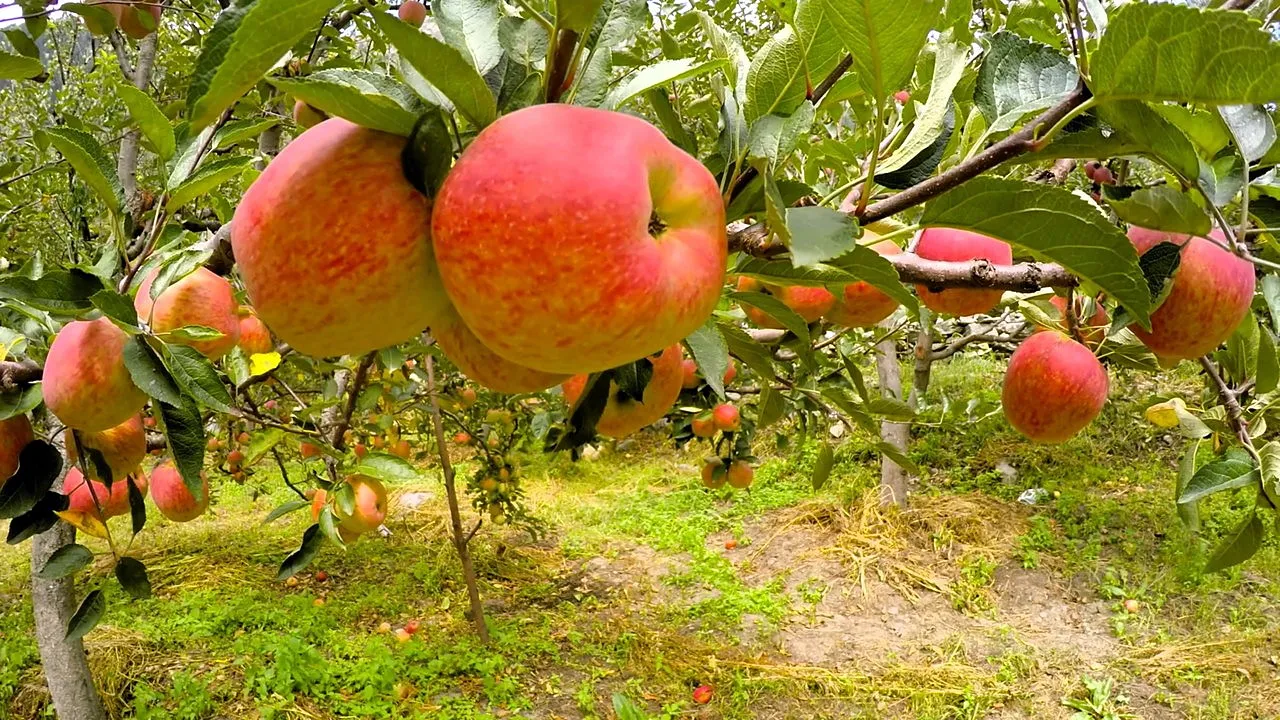
Mountain food is practical before it's fancy. Himachali cooking runs on mustard oil, dairy, lentils, and whatever grain grows well at that altitude — little that needs refrigeration or long supply chains.
Must-Try Dishes
- Dham – Not a dish but a whole meal, served at weddings and festivals on a leaf plate (pattal): rice, madra, rajma, kadhi, and a sweet course, almost always vegetarian regardless of the household's usual diet
- Madra – The centrepiece of a Dham; chickpeas or rajma slow-cooked in a yogurt gravy, often called the "king dish" for a reason
- Sepu Vadi – Lentil dumplings steamed then simmered into a spiced curry, a Mandi district specialty
- Chha Gosht – Lamb cooked down in a gram-flour and yogurt gravy — heavier and more Himachali than the north-Indian curries most visitors expect
- Babru – A fried, lightly fermented wheat bread, essentially Himachal's answer to kachori
- Patande – A thin wheat pancake, closer to a dosa than a roti, common in Chamba and Sirmaur
- Siddu – Steamed wheat bread from the Kullu-Manali belt, usually eaten with ghee or dal — filling enough to double as a trekking snack
- Thukpa & Momos – Not originally Himachali, but so embedded in Dharamshala and McLeod Ganj's Tibetan food scene that skipping them would miss half the town's character
Where to actually find it:
- Dham is worth actively seeking out, not stumbling onto — best found at local eateries in Kangra, Chamba, or Mandi, not restaurant menus aimed at tourists
- In Manali, Old Manali's café strip (Drifters' Café, Café 1947) is where most travellers end up eating — good for Western-Tibetan fusion, less so for authentic Himachali food
- For the real thing, ask a homestay host to point you to a local dhaba instead
- Apples, honey, and local citrus are worth buying directly from roadside sellers rather than city shops
Shopping in Himachal Pradesh
- Kullu shawls and caps – Genuinely known for it, not just tourist-shop filler; Kullu's Akhara Bazaar is the main shopping strip for this
- Lakkar Bazaar, Shimla – The go-to spot for wooden handicrafts, walking sticks, and carved toys, right next to The Ridge
- Himachali handicrafts – Wood carving, metalwork, and Tibetan crafts, concentrated around McLeod Ganj's Temple Road market
- Chamba Rumal – A hand-embroidered textile tradition specific to Chamba, worth seeking out over generic souvenirs
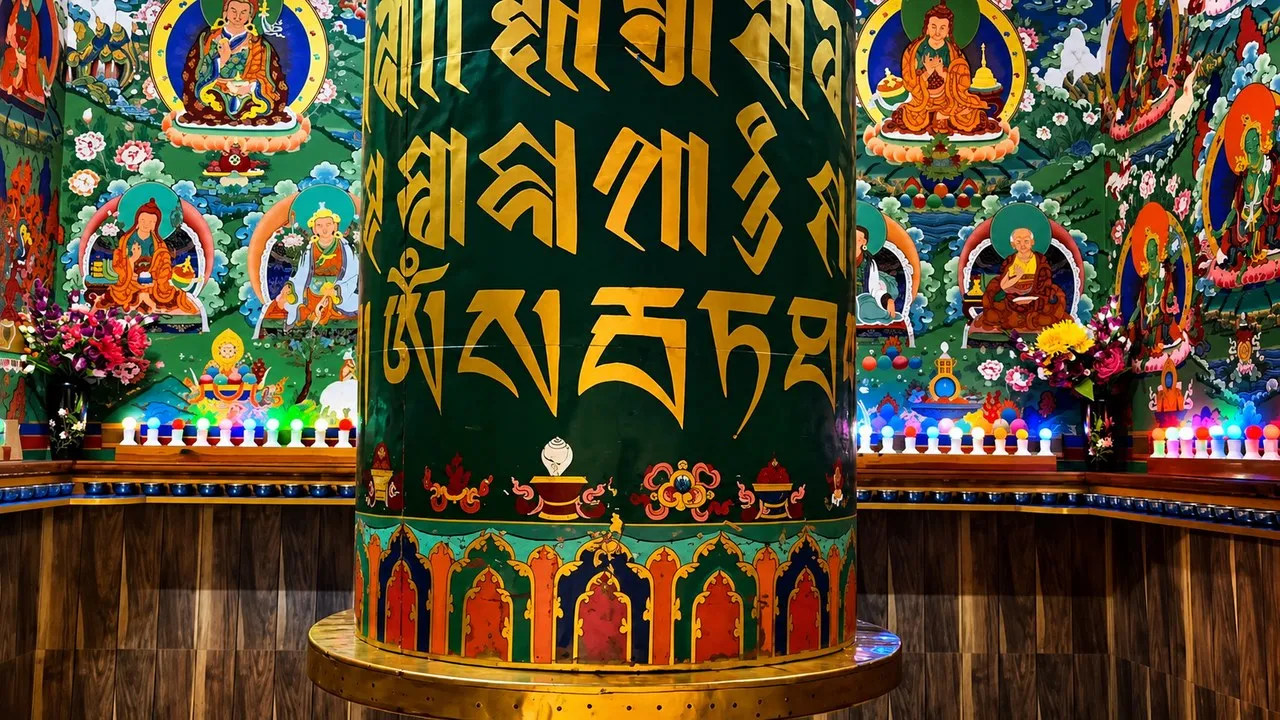
- Tibetan goods – Prayer flags, jewellery, and thangka paintings, mostly around McLeod Ganj's monastery quarter
- Dried fruits and local honey – A staple buy across Shimla's Lower Bazaar and Manali's Mall Road stalls
Budget Hotels & Accommodation
| Destination | Best-Rated Property | Google Rating | Reviews | Approx. Starting Price (per night) | Distance from Main Market | Transport / Accessibility |
|---|---|---|---|---|---|---|
| Kasol | The Hosteller Kasol | 4.8 | 4,420+ | ₹906 (Dorm) / ₹2,400 (Private) | ~150–200 metres | 2–3 min walk — closest to market of all listed |
| Tirthan Valley | The Hosteller Tirthan Valley | 4.7 | 602+ | ₹700 (Dorm) / ₹1,800 (Private) | ~12 km (from Banjar Market) | 25 min by local bus or private cab |
| McLeod Ganj | Zostel McLeod Ganj | 4.6 | 2,360+ | ₹600 (Dorm) / ₹2,100 (Private) | ~550 metres (from Main Square) | 5 min walk, but the last stretch is 100+ stairs |
| Jibhi | The Hosteller Jibhi | 4.4 | 254+ | ₹800 (Dorm) / ₹2,100 (Private) | ~2.1 km (from Jibhi bus stand) | 7 min by cab or scooty |
| Manali | Namaste Inn Beas Valley | 4.3 | 621+ | ₹671 – ₹1,200 | ~2 km (from Mall Road) | 10 min by auto or cab (Vashisht area) |
| Dharamshala | Hotel The Nest | 4.2 | 991+ | ₹1,128 | ~900 metres (Jogiwara Road) | 15 min walk, or a short auto ride |
| Dalhousie | Snow Valley Resorts Dalhousie | 4.2 | 794+ | ₹2,200 – ₹2,500 | ~500–800 metres | 5–10 min walk from Gandhi Chowk market |
| Shimla | The Hosteller Shimla | 4.1 | 1,520+ | ₹1,025 (Dorm) / ₹2,500 (Private) | ~500 metres (from Mall Road) | Walk only — no vehicles allowed on Mall Road |
Ratings, prices, and distances are based on research at time of writing and can shift — always verify current rating, exact location, and rate directly on Google Maps or a booking platform before confirming a stay.
Key things to know before booking:
- Location decides the price – Rooms near the main market or Mall Road cost noticeably more than the same room a five-minute walk away
- Homestays are the budget sweet spot – Especially in offbeat towns; cheapest option and often the most memorable, since you're staying with a family, not a generic guesthouse
- Peak season doubles rates – May–June and Dec–Jan see prices routinely double, so booking a week or two ahead isn't optional the way it is off-season
Total Trip Budget Breakdown
Hotel cost is only part of the picture. Here's roughly what a full trip runs, per person:
| Trip Type | Duration | Approx. Cost Per Person |
|---|---|---|
| Budget getaway (1–2 destinations) | 2–3 days | ₹8,000 – ₹12,000 |
| Standard trip (3-star hotels, basic sightseeing) | 5–7 days | ₹16,000 – ₹25,000 |
| Extended/comprehensive circuit | 8–10 days | ₹25,000 – ₹35,000 |
| Luxury trip (5-star resorts, private transport) | 5–7 days | ₹40,000 and above |
These figures cover accommodation, local transport, meals, and standard sightseeing. Extras like paragliding, rafting, Spiti permits, and shopping sit on top of this baseline — adventure activities alone can add a few thousand rupees per person.
Famous Festivals of Himachal Pradesh
| Festival | Region | Timing | Highlight |
|---|---|---|---|
| Kullu Dussehra | Kullu (Dhalpur Maidan) | October | International-status festival with a week-long deity procession |
| Manali Winter Carnival | Manali | January | Parades, folk dance, and winter queen competition |
| Losar (Tibetan New Year) | Spiti, Dharamshala | February–March | Tibetan Buddhist New Year celebration |
| Minjar Fair | Chamba | July–August | Traditional harvest festival |
| Mandi Shivratri | Mandi | February–March | International fair with a gathering of local deities |
| Lavi Fair | Rampur Bushahr | November | 17th-century trade fair for wool, dry fruits, and handicrafts |
| Halda | Lahaul Valley | Winter (Magha Purnima) | Two-day carnival similar to Diwali |
| Phulaich (Flower Festival) | Kinnaur | September | Ancestor-worship festival with flowers |
If your travel dates line up with any of these, it's worth rerouting the itinerary to catch it. Kullu Dussehra in particular draws deities from across the valley in a procession hard to see anywhere else in India.
Famous Temples in Himachal Pradesh
| Temple | Location | Significance |
|---|---|---|
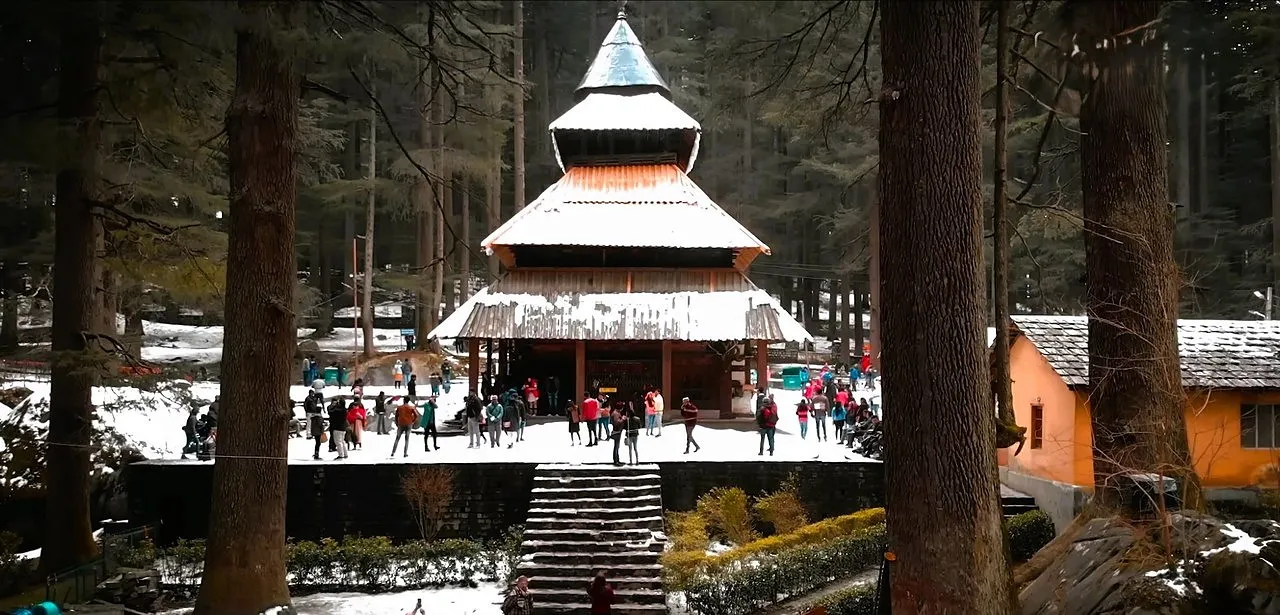
| Hadimba Devi Temple | Manali | Linked to the Mahabharata; distinctive pagoda-style architecture built in 1553 |
| Jakhu Temple | Shimla | Home to one of the world's largest Hanuman statues |
| Naina Devi Temple | Bilaspur | One of the 51 Shakti Peethas, overlooking Govind Sagar Lake |
| Chamunda Devi Temple | Kangra | A well-known Shaktipeeth |
| Baijnath Temple | Baijnath | One of the oldest Shiva temples in the state |
| Sankat Mochan Temple | Shimla | Popular Hanuman temple known for Sunday langar |
| Mathi Temple | Chitkul | A roughly 500-year-old wooden temple |
Snowfall in Himachal Pradesh
- Reliable snow spots: Manali (Solang Valley, Atal Tunnel), Shimla (Kufri), Narkanda, Rohtang Pass, Spiti Valley
- Rohtang Pass shuts down entirely in winter — Kothi or Marhi become the practical stand-ins for seeing snow near Manali
- Snow activities: skiing, sledging, and snowboarding, with Solang Valley and Narkanda offering the most reliable setups for beginners
For exact peak-snow months, the Best Time to Visit section of this Himachal Pradesh travel guide breaks it down season by season.
Atal Tunnel & Rohtang Pass: Permits, Rules & Costs
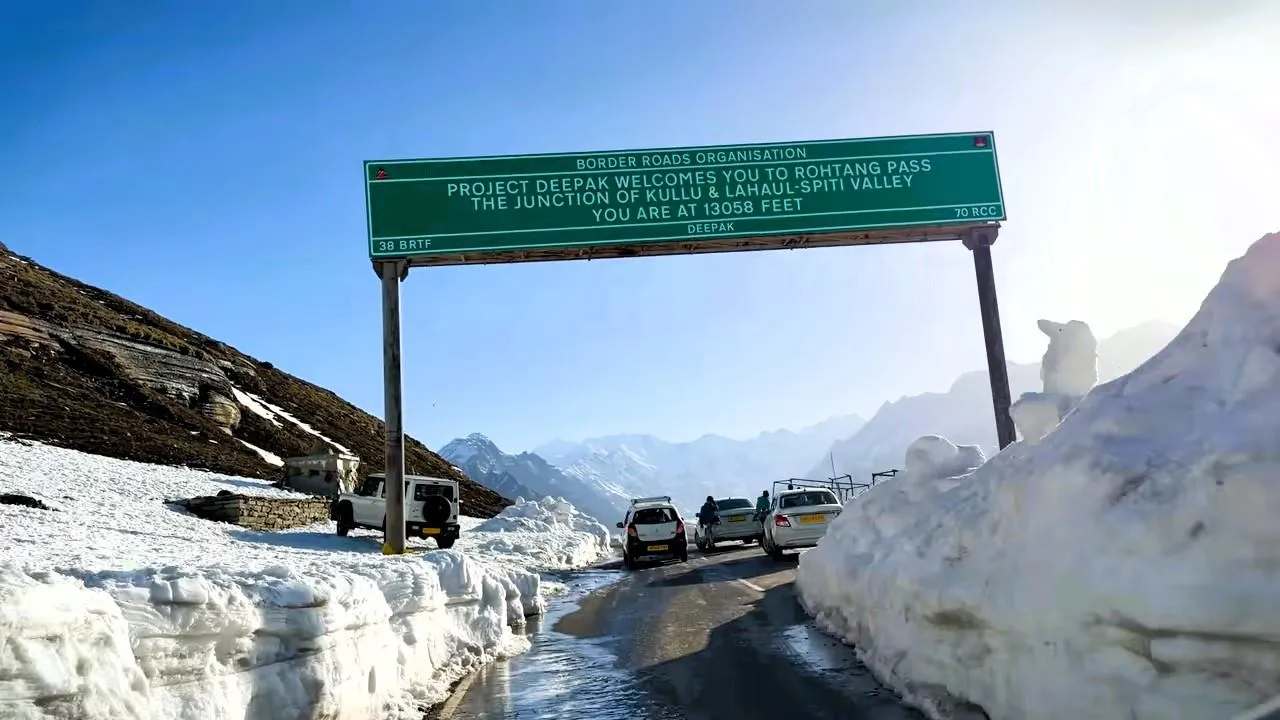
These two are often confused, but they work completely differently — one is free and permit-less, the other has a strict daily quota. Here's the breakdown:
| Atal Tunnel | Rohtang Pass | |
|---|---|---|
| Separate vehicle needed? | No — drive your own car, taxi, or bike | No — same rule, but the daily quota can force a rethink if you're self-driving without a backup plan |
| Permit required? | No permit to use the tunnel itself, but vehicles must register on the free e-Aagman portal for entry into Lahaul Valley | Yes — a paid Rohtang Pass permit, mandatory for all vehicles, including bikes |
| Cost | Free (e-Aagman registration) | ₹550 per vehicle (₹500 permit + ₹50 congestion fee); ₹50 only if continuing beyond Rohtang toward Spiti/Leh |
| Daily quota | No cap | Capped at 1,200 vehicles/day (800 petrol, 400 diesel) |
| Booking | Online, e-Aagman portal | Online only, via rohtangpermits.hp.gov.in — released in two windows, 10 AM and 4 PM |
| Closed days | Open daily (weather permitting) | Closed every Tuesday for maintenance |
| Typical season | Open almost year-round | Snow-open roughly June–October; buried under snow the rest of the year |
| Best for | Fast, reliable access to Lahaul, Spiti, and Leh | The actual high-altitude "snow experience" and views |
A few things worth knowing:
- If permits run out for Rohtang, the Atal Tunnel route to Sissu is the standard backup — no permit hassle, and still delivers real snow views on the Lahaul side
- Bring a printed copy of the Rohtang permit — a phone screenshot isn't accepted at the checkpoint
- Foreign nationals need a separate Protected Area Permit for Spiti/Lahaul, which is a different system from the Rohtang vehicle permit
- Rates and quotas shift season to season — always confirm current numbers on the official portal before your trip
What to Pack for a Himachal Pradesh Trip
| Category | Essentials |
|---|---|
| Clothing | Layered woollens, thermal wear, windproof jacket, comfortable trekking shoes |
| Winter-specific | Gloves, woollen cap, muffler, heavy jacket (for Oct–Feb or high-altitude areas) |
| Summer-specific | Light cottons, sunscreen, sunglasses, a light jacket for evenings |
| Health & Safety | Personal medication, motion sickness tablets, basic first-aid kit |
| Documents | ID proof, permits (if visiting Spiti or restricted areas), hotel booking confirmations |
| Electronics | Power bank, offline maps downloaded in advance, local SIM/eSIM |
| Miscellaneous | Reusable water bottle, cash (ATMs are scarce in remote valleys), snacks for long drives |
Himachal Pradesh Travel Guide: Suggested Itineraries
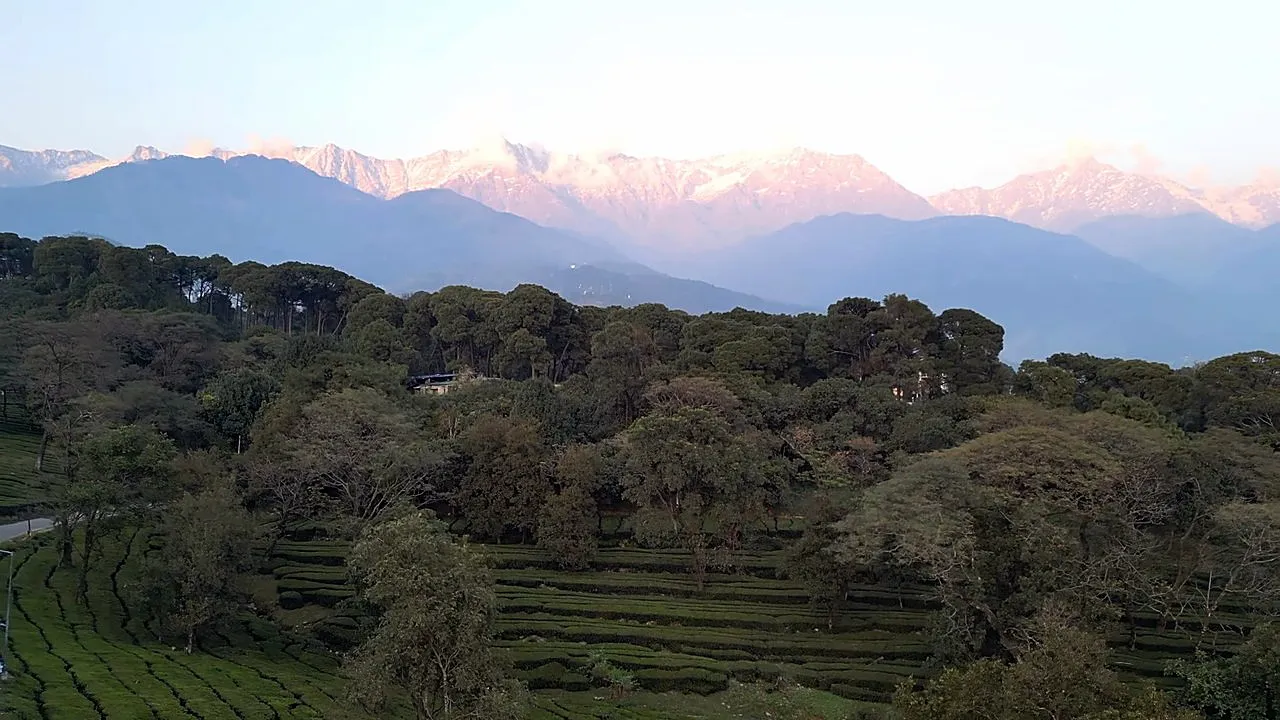
| Duration | Route | Best For |
|---|---|---|
| 7–8 Days | Shimla → Manali → Dharamshala → Dalhousie/Khajjiar | Balanced sightseeing trip |
| 10 Days | Shimla → Manali → Dharamshala → Dalhousie (extended circuit) | Comprehensive coverage of major destinations |
| 8–12 Days | Shimla → Kaza (Spiti Valley) → Manali | Offbeat, high-altitude explorers |
For the classic first-timer route — Shimla and Manali in 5 nights, 6 days — here's the full day-wise breakdown, and our dedicated Shimla Tour Guide and Manali Tour Guide go a level deeper on each town.
Shimla Manali Itinerary: 5 Nights 6 Days (Day-Wise Plan)
This is the single most-booked Himachal route, and for good reason. It pairs Shimla's colonial charm with Manali's adventure-town energy, all within a week off work.
| Day | Route/Location | Plan |
|---|---|---|
| Day 1 | Delhi/Chandigarh → Shimla | Arrive in Shimla by evening; check into hotel; short walk on Mall Road; overnight in Shimla |
| Day 2 | Kufri & Shimla Sightseeing | Morning trip to Kufri for snow activities (in season); afternoon at The Ridge, Christ Church, Jakhu Temple and Scandal Point; Mall Road shopping; overnight in Shimla |
| Day 3 | Shimla → Manali | Early start for the 7–9 hour drive along the Beas river, with photo stops on the way; check into Manali by evening |
| Day 4 | Manali Local Sightseeing | Hadimba Temple, Old Manali cafes, Vashisht Hot Springs, Manu Temple, local markets; overnight in Manali |
| Day 5 | Manali Excursion (Solang Valley & Atal Tunnel) | Full day at Solang Valley for paragliding, zorbing, and the ropeway, plus a stop at Atal Tunnel; return to Manali |
| Day 6 | Manali → Delhi/Chandigarh | Checkout after breakfast; drive back with drop at Chandigarh or Delhi |
Why this split works:
- 2 nights in Shimla – enough to cover its compact core without rushing
- 3 nights in Manali – room for both town sightseeing and the Solang Valley day trip
- Day 3 kept free of sightseeing – the Shimla-Manali drive alone eats most of the day
Before you book:
- Lock in the Shimla–Manali taxi or bus early in peak season (May–June, Dec–Jan)
- In winter, check road conditions ahead of time — snowfall can shut sections with little notice
- Keep a backup plan for Day 5 — paragliding and other Solang Valley activities are weather-dependent
- Feels too short? Extend to 7–8 days by adding a day trip to Kasol or Manikaran from Manali
Trip Planning Checklist
- Pick a route from the itineraries in this Himachal Pradesh travel guide and adjust the duration based on how many destinations you want to cover
- Match the destination to the season – winter for snow, monsoon for greenery, summer for general sightseeing
- Check permits in advance – required for Spiti Valley and other restricted border areas, especially for foreign tourists
- Book accommodation early – peak-season rates can double with little warning
- Choose transport deliberately – buses for budget, taxis or self-drive for flexibility
- Acclimatise before pushing altitude – don't rush straight to Spiti or Rohtang Pass without a buffer day
- Pack for both extremes – even in summer, evenings and higher altitudes turn cold fast
People Also Ask (FAQs)
How many days are needed for a Himachal Pradesh trip?
It depends on how many destinations you want to cover — the itinerary table above breaks it down by route, from a 6-day Shimla-Manali trip to a 12-day Spiti circuit.
What is the best time to visit Himachal Pradesh?
March to June is ideal for pleasant weather and sightseeing, while October to February is best for snowfall and winter activities. July to September (monsoon) offers greenery with fewer crowds but carries a landslide risk.
What is the best time to visit Himachal Pradesh for snowfall?
December to January is the peak snowfall period, with snow beginning as early as late November in higher-altitude areas like Kufri, Narkanda, and Manali.
How can I reach Himachal Pradesh?
By air via Bhuntar, Gaggal, or Chandigarh airports; by rail via the Kalka-Shimla Toy Train or nearby broad-gauge stations like Chandigarh and Pathankot; or by road from Delhi (8–9 hours to Shimla, 12–14 hours to Manali).
Is a permit required to visit Spiti Valley?
Indian tourists generally do not need a permit for most of Spiti Valley, but foreign tourists require permits for Spiti and other protected border areas — these should be arranged through official channels in advance.
Which places are best for a family trip in Himachal Pradesh?
Shimla, Manali, and Kullu are considered the most family-friendly, offering easy sightseeing, temples, parks, and scenic viewpoints suitable for all age groups.
Is Himachal Pradesh safe for solo and women travellers?
Yes, Himachal Pradesh is generally regarded as a safe destination for solo travellers, women, and families, with a well-established tourism infrastructure in popular areas.
What is the budget for a Himachal Pradesh trip?
A budget trip covering 1–2 destinations can cost around ₹8,000–₹12,000 per person for a short 2–3 day trip, while a full 7–10 day holiday typically ranges between ₹16,000–₹35,000 per person, depending on season and accommodation type.
What is the famous food of Himachal Pradesh?
Dham is the most iconic Himachali meal, along with dishes like Madra, Sepu Vadi, Chha Gosht, Babru, and Siddu. In Dharamshala, Tibetan dishes like momos and thukpa are equally popular.
What adventure activities can I do in Himachal Pradesh?
Popular options include paragliding in Bir Billing, river rafting on the Beas River, trekking to Triund or Hampta Pass, and skiing in Solang Valley and Kufri during winter.